
Посібник з універсального ESS для бізнесу: Як правильно підбирати розмір, Магазин, та Save 2026
Від hqt
2026.01.23
Якщо ти керуєш фабрикою, Логістичний хаб, або сайт, що містить багато даних, 2026 чи це рік, коли енергетична стратегія перестала бути побічним проєктом. Волатильні тарифи та жорсткіші правила з'єднання тепер відповідають простому, Практичний інструмент: Все-в-одному ESS. З виробничого цеху SANDISOLAR, Ми бачили, як інтегровані системи знімають шум інженерних рішень і перетворюють накопичення акумуляторів на повторювану економію та стійкість. У цьому посібнику, Ми перетворюємо інженерію та економіку на практичні етапи. Ми допоможемо вам опанувати наступне:
• Що таке All-In-One ESS і які проблеми він вирішує
• Як визначити розмір системи за допомогою даних про навантаження та тарифи
• Де зберігання забезпечує економію та стійкість
• Які ознаки мають значення для надійної роботи
• Як розгортати, Інтегрувати, і підтримувати їх з упевненістю
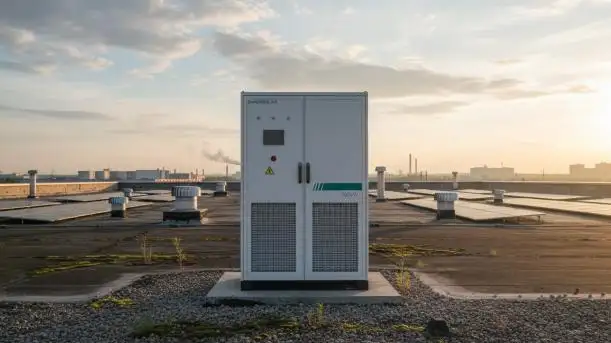
Що таке все-в-одному ESS насправді
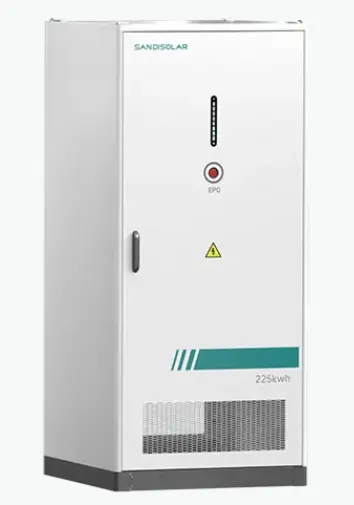
Універсальний ESS об'єднує інвертор, Інтерфейс батареї, Захист, Керування, та комунікації в одному корпусі. Уявіть це як ядро перетворення енергії з мозком: він отримує постійний струм від батарей (а також за бажанням сонячні фотоелектричні) і забезпечує стабільний кондиціонер на ваш об'єкт, Синхронізація з сіткою, та виконує графіки зарядження/скидання без мозаїки окремих коробок. Ви отримуєте нативне підключення до системи керування батареєю (BMS), Тісна інтеграція з системою енергоменеджменту (EMS), та захист довкілля, який підходить для реальних майданчиків, а не для лабораторних лавок.
Цінність практична. Менше постачальників для координації. Менше малюнків для ітерацій. Менше несподіванок під час введення в експлуатацію. І коли сітка блимає, All-In-One ESS може тримати критичні навантаження стабільно, не залишаючи вас наодинці з складуванням резервних планів. Для комерційної та промислової (C&I) Користувачі, Це прямий шлях до зниження витрат на попит, Арбітраж за часом використання, Самоспоживання фотоелектричної енергії, та резервне живлення- Не перетворюючи свій заклад на науковий проєкт.
Чому бізнеси зараз впроваджують універсальний ESS
Раніше витрати на енергію були простими: Купуйте те, що потрібно, і сплачуйте ставку. Вже ні. Пікові вікна мають преміуми, Вимоги за вимагання карають спайки, А правила якості електроенергії суворіші, ніж будь-коли. Тим часом, Час простою дорогий, а кваліфікований персонал обмежений. Добре спеціалізований All-In-One ESS вирішує все це на одній платформі.
• Тарифний тиск: Зберігання перерозподіляє навантаження з періодів високої вартості на періоди з нижчими витратами та обмежує щомісячні пікові витрати.
• Ризик якості електроенергії: Низькі гармонічні спотворення та регульована напруга підтримують відповідність і захищають чутливі системи.
• Очікування щодо безперервності: Субсекунда, Виробництво безшовних резервних консерваторів, Сервери, та інфраструктура безпеки під час гонок на ґратці.
• Складність інтегрування: One All-In-One ESS мінімізує координацію дизайну та введення зусиль у введення в експлуатацію порівняно з рішеннями з багатовиробниками.
• Обмеження простору: Невеликі площі та великі теплові показники відкривають щільні майданчики з мінімальним масштабом модернізації.
• Цілі сталого розвитку: Пікове гоління, Самоспоживання фотоелектричної енергії, та відповідь на попит у відповідь на вимірювану декарбонізацію.
Конструкції SANDISOLAR Універсальні рішення ESS Для стійкості та щоденної зручності роботи. Результати: більш послідовне виставлення рахунків, зменшення зупинок через відключення електроенергії, і більш стійким, Стійкий енергетичний стек.
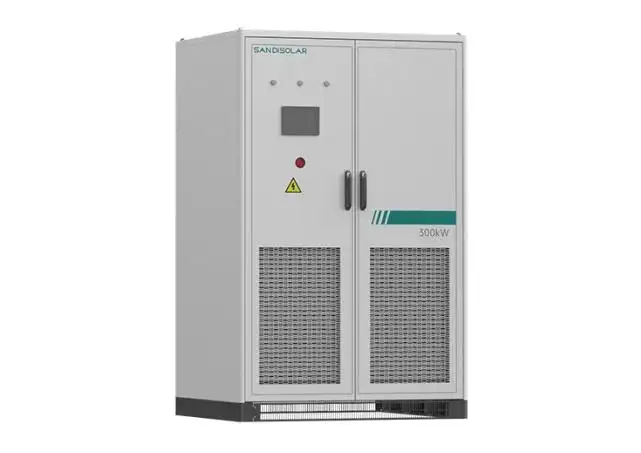
Як to Розмір: Зв'язок профілів навантаження з потребами у годинах батареї
Процедура визначення розміру
- Задокументуйте профіль попиту. Захоплення вершин, Відмінності дня і ночі, Критичні живильники, та ризик втрати служби.
- Оцініть розрив у швидкості між піковою та позапікової енергії.
- Визначити цілі. Пікове гоління (КВт), Зміщення енергії (кВт·год), Резервний період виконання (Години роботи), або всі три.
- Потужність інвертора розміру. Обирайте All-In-One ESS з достатньою потужністю кВт, щоб відповідати порогу гоління або резервного режиму. Інвертор потужністю 300 кВт підтримує середній C&Сайти I, Двигун заводиться, та скоординована багатозарядна робота.
- Розрахуйте енергію батареї. Енергія (кВт·год) = потужність цільового розряду (КВт) × тривалість (h) ÷ загальна ефективність. Додайте резерви глибини скидання та старіння.
- Переконайтеся, що напруга підходить.. Широку шину постійного струму (650–950В постійний струм) підтримує високоефективну роботу батарей і довгі струни; на стороні AC, Підтримка мультивольтажів полегшує інтеграцію з регіональними кодами.
- Перевірка поточної потужності. Переконайтеся, що максимальний постійний вхідний струм і номінальний вихідний струм змінного струму відповідають вашим проєктним нормам.
- Додайте запас для голови. Здатність до перевантаження та запас kVA допомагають витримувати транзієнти та нелінійні навантаження.
Швидкий приклад
Завод хоче скоротити 300 кВт для 4 Години роботи під час пікових тарифів. Базова енергія становить 300 кВт × 4 год = 1 200 кВт·год. Припустимо 90% Ефективність туди й назад. Потрібна енергія батареї стає 1,200 ÷ 0.90 ≈ 1 333 кВт·год. Щоб зберегти стан батареї, Обмежити глибину розряду до 80%. Пропускна здатність зростає до 1,333 ÷ 0.80 ≈ 1 667 кВт·год. Додайте 10% Резерв старіння та конструкція приблизно 1,8 МВт·год. Виберіть 300-кВт All-In-One ESS для передачі потужності для знищення та підключення до шини змінного струму об'єкта (типові регіональні стандарти 400–440Vac). Включіть запас перевантаження для коротких транзієнтів і запуску двигуна.
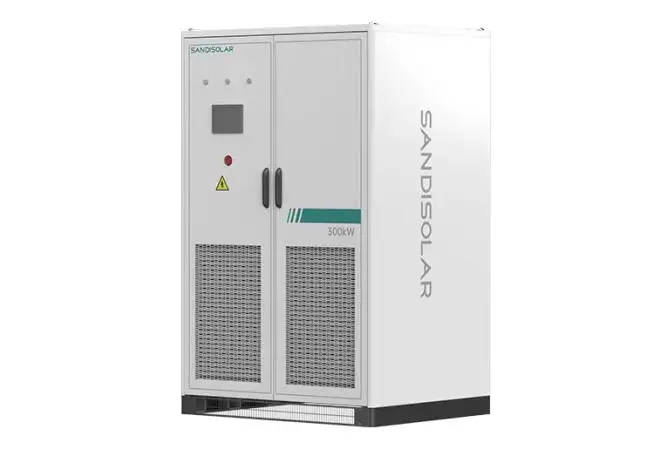
Магазин and Save: Додатки, що забезпечують ROI
Накопичення енергії повертає цінність кількома шляхами. Випадки використання з максимізацією цінності зазвичай поєднують тарифний арбітраж із управлінням попитом і резервним живленням.
• Пікове гоління. Скорочення пікового навантаження на 300 кВт може запобігти значним щомісячним платежам. На ринках із ставками попиту $80–$200 за кВт, Загалом $24,000- $60,000 на місяць.
• Арбітраж за часом використання. Якщо енергія в непіковий період на 0,10 доларів/кВт·год дешевша за пікову, піковий розряд 1,2 МВт·год економить приблизно $120 на день. Ширші спреди або більша кількість велосипедистів збільшують економію.
• Самоспоживання фотоелектричної енергії. Зберігайте надлишок сонячної енергії в полудень і розряджайтеся пізніше. Це підвищує коефіцієнт самостійного використання та зменшує обмеження експорту або низьку компенсацію.
• Резервне живлення. Об'єкт, який потребує 300 кВт критичної підтримки навантаження, отримує безперервність під час відключень мережі. Універсальний ESS ізолює при 400 В і підтримує роботу поза мережею для захисту критично важливих навантажень.
• Реакція на сторону попиту. Реагуйте на команди утиліти, щоб отримати стимули. Швидка оркестрація EMS та точне відправлення є необхідними для дотримання програм.
• Відповідність якості електроенергії. Низький THDu (<1% лінійний, <5% нелінійна) підтримує типові галузеві обмеження та допомагає захищати чутливе обладнання, зниження рівня внутрішніх відмов і викликів на технічне обслуговування.
Заощадження залежать від конкретного місця. Найкращі результати отримуються з детальних даних про навантаження, Тарифні графіки, та стратегія управління EMS, налаштована на ваші операції. SANDISOLAR допомагає кількісно оцінити кожен шлях і створити комбіновану модель ROI для 2026 Бюджети та далі.
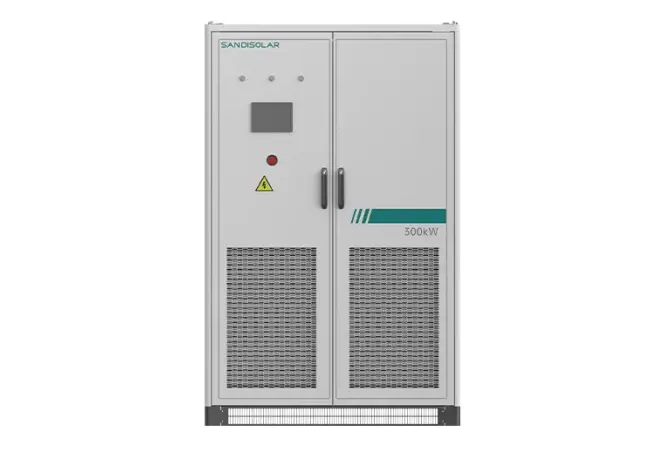
SANDISOLAR All-In-One ESS: Особливості, які мають значення
Специфікація корисна лише тоді, коли вона перетворюється на цінність для клієнта. Нижче наведено вибрані функції та практичні переваги, які вони приносять комерційним і промисловим користувачам.
• Консолідована архітектура: Одна платформа перетинає пікове гоління, Арбітраж, Інтеграція з фотоелектричною волнею, та резерв, Скорочення інженерної складності та навантаження на запасні частини.
• Стабільний вихід змінного струму як у мережі, так і поза мережею: 300Робота мережі кВт у межах 360–440 Vac відповідає регіональним нормам; 300КВт при 400В поза мережею забезпечує надійний острівний сервіс.
• Висока вантажопідйомність (110% Довгостроковий період): Додає запас для тривалих транзієнтів і збоїв процесу, Покращення стабільності системи.
• Широка екологічна толерантність (-30~55°C, IP21): Працює надійно від холодних зим до спекотних промислових залів, зниження залежності від HVAC та максимізація часу роботи.
• Інтегровані комунікації BMS та EMS: Забезпечує інтелектуальне диспетчеризування, Захист батареї, та участь у програмах попиту з точним контролем.
• Безпечно & Надійний з простим O&M: Вбудовані захисти, зручний інтерфейс, а модульний сервіс скорочує час обслуговування та потреби в навчанні.
Шлях to Розгортання and Call tДія
Розгортання — це не лише обладнання. Йдеться про дані, Інтеграція, та дисципліновані операції. ESS All-In-One від SANDISOLAR розроблений так, щоб зменшити тертя на кожному етапі.
• Оцінка місця. Збирати дані про інтервальне навантаження, Тарифні графіки, та критичні списки завантажень. Визначте напруги змінного струму шини та доступну площу.
• Проєктування системи. Підібрати живлення інвертора з потребами гоління та резервного копії. Розмір енергії батареї для циклів, Ефективність, та резерви. Кабель валідації, Захист, та гармонічні розгляди.
• Контроль і відповідність вимогам. Інтеграція EMS з об'єктом SCADA. Налаштуйте захист BMS та правила диспетчеризації. Узгодження зі стандартами локального підключення мережі та якості електроенергії.
• Введення в експлуатацію та навчання. Виконати функціональне тестування для режимів on-grid та off-grid. Забезпечте персоналу чітке O&Процедури та протоколи безпеки M.
• Операції та оптимізація. Моніторинг продуктивності за допомогою аналітики EMS. Коригувати графіки для змін тарифів, Сезонні навантаження, та профілі виробництва фотоелектричних станцій.
Заклик до дії
Зв'яжіться з SANDISOLAR зараз, щоб записатися на консультацію та отримати індивідуальний план All-In-One ESS для 2026. Оснащуйте свій бізнес під правильний розмір, Зберігайте розумно, і стабільно зберігати.