
Co robi hybrydowy falownik słoneczny? Wyjaśnij przechowywanie, Siatka, oraz oszczędności
Autor: HQT
2026.01.16
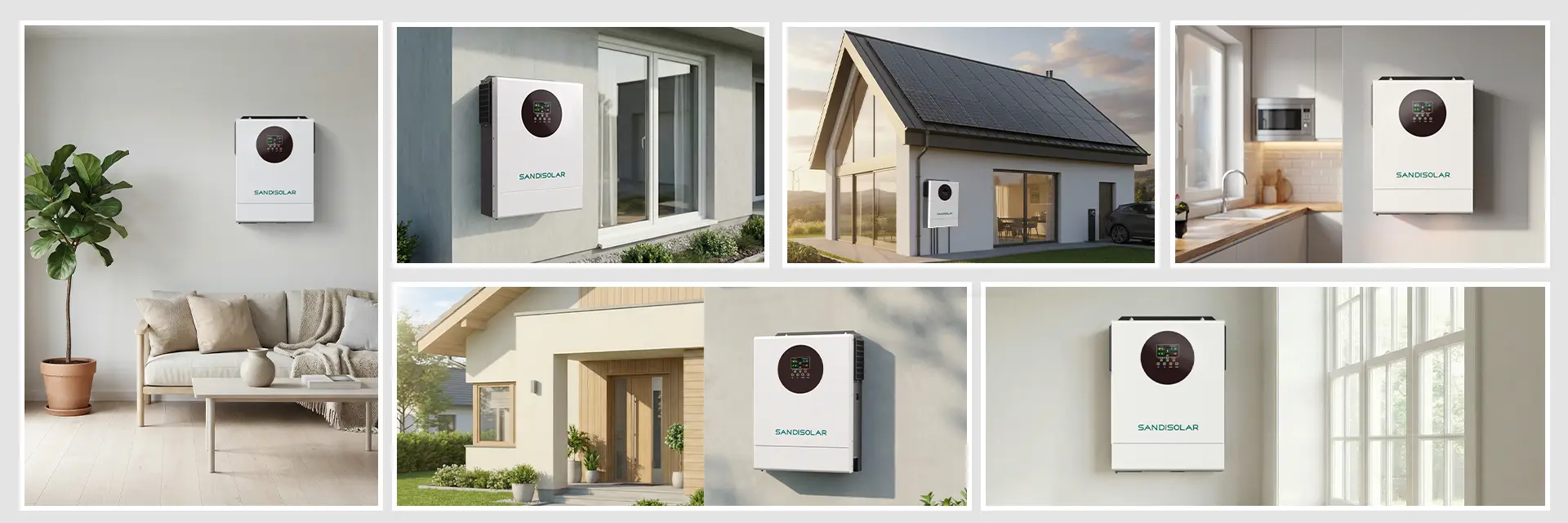
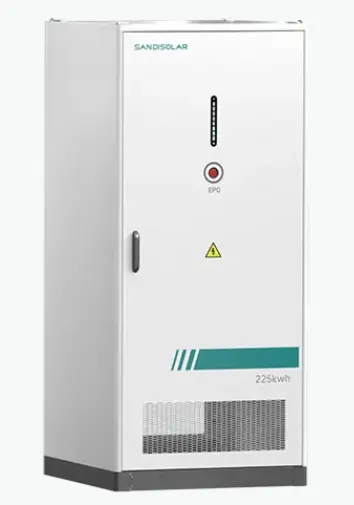
Hybrydowy inwerter słoneczny to centralny mózg, który łączy Twoje panele słoneczne, Magazynowanie energii, oraz sieć użyteczności publicznej, aby dostarczać niezawodne usługi, Efektywność, oraz opłacalna energia. Ten przewodnik pomoże Ci opanować następujące rzeczy: czym jest hybrydowy inwerter słoneczny, Jak to działa, Jak zarządza przechowywaniem, Jak oddziałuje z siatką, oraz jak to prowadzi do realnych oszczędności. Jako producent, SANDISOLAR zamienia cechy inżynieryjne w praktyczne zalety, które można zmierzyć i którym zaufać.
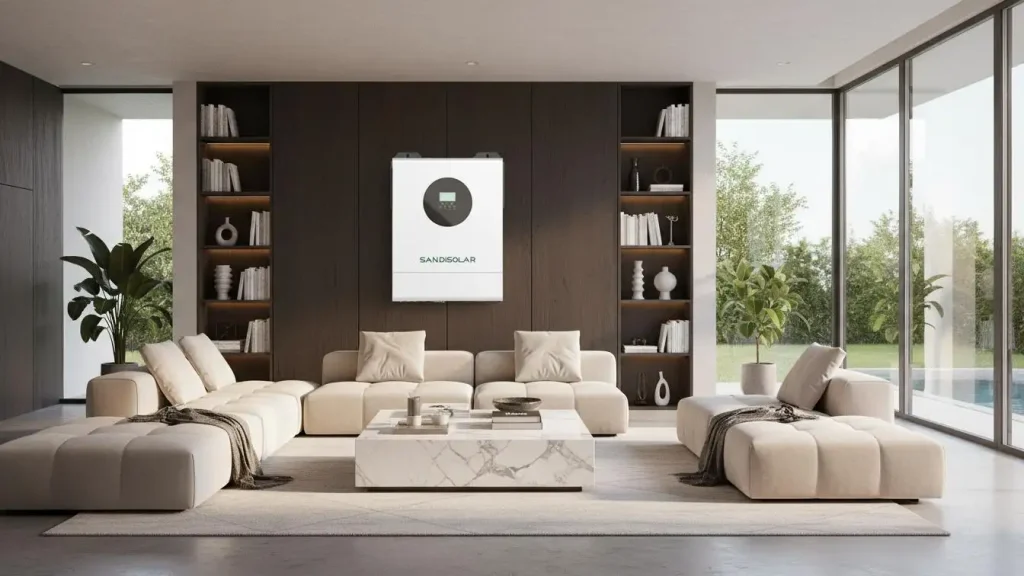
Czym jest hybrydowy inwerter słoneczny i dlaczego jest ważny
Hybrydowy inwerter słoneczny łączy trzy podstawowe funkcje w jednym urządzeniu: ładowarka MPPT solarna, inwerter/ładowarka baterii, oraz interfejs siatki. Przekształca prąd stały z paneli na prąd przemienny dla obciążeń, Inteligentnie ładuje i rozładowuje baterię, i współrzędne z siatką lub generatorem. Efektem jest ciągła energia z optymalną ekonomią.
Dlaczego to teraz ma znaczenie:
• Taryfy związane z czasem użytkowania mogą się różnić dwukrotnie- 3 w wielu regionach między szczytem a poza nim, Uczynienie inteligentnego przełączania się niezbędnym.
• Typowe domy bez magazynu zużywają tylko około 25- 35% ich generacji PV. Z bateriami obsługiwanymi przez hybrydowy falownik słoneczny, Samokonsumpcja często osiąga 60- 80%.
• Niezawodność sieci jest nierówna. Dla wielu stron, Zasilanie zapasowe nie jest już opcjonalne.
SANDISOLAR projektuje hybrydowe systemy inwerterów słonecznych, aby rozwiązać właśnie te problemy. Skupiamy się na stabilnej energii, Wyższa wydajność w dachach złożonych, Dłuższa żywotność baterii, oraz proste sterowanie.
Jak to działa: PV, Bateria, I siatka w jednym mózgu
Na wysokim poziomie, Przepływy energii są proste. Prąd stały słoneczny jest śledzony i wzmacniany przez MPPT. Falownik wytwarza czystą klimatyzację dla Twoich zasileń. Nadmiar energii słonecznej ładuje baterię. Gdy energia słoneczna jest niska, Bateria podtrzymuje obciążenia. Jeśli bateria jest niska, a zapotrzebowanie jest duże, Sieć lub generator mogą zasilić tę przerwę. Hybrydowy Falownik Słoneczny egzekwuje priorytety, Granice, oraz bezpieczeństwo.
Smart MPPT w hybrydowym falowniku słonecznym
• Precyzyjne MPPT jest pierwszym dźwignią oszczędności. Nasza architektura wykorzystuje podwójne niezależne trackery MPPT z szerokim oknem wejściowym PV wynoszącym 60- 500 Vdc. To umożliwia:
• Dwie matryce PV o różnych orientacjach lub typach modułów, każdy z nich zoptymalizowany. To zmniejsza straty w niedopasowaniu i pozwala odzyskać 5- 15% Energia na dachach mieszanych.
• Struny wysokiego napięcia obniżające prąd, co zmniejsza straty w kablach (I²R) oraz koszt BOS.
• Silne zbiory w porankach o słabym świetle i późnym popołudniu. Tracker pozostaje zablokowany na najlepszym punkcie pracy.
Łączymy to z dużym 160 Możliwość ładowania po stronie DC. Przy nominalnym 48 Bateria V, to około 7.7 kW mocy ładowania. Pochłania szybkie zmiany naświetlenia bez przycinania zbiorów, i szybko uzupełnia magazyn między szczytami obciążenia.
Zarządzanie i ochrona pamięci masowej
Bateria to druga dźwignia. Hybrydowy inwerter słoneczny musi ładować się szybko, Chronić mocno, i integrują się czysto:
• Aktywacja baterii litowej przez PV lub elektroinstalację odzyskuje baterie, które weszły w głęboki sen po wyjazdach ochronnych.
• Bezpośrednia komunikacja RS485 z BMS LiFePO4 utrzymuje napięcie ładowania, Obecnie, oraz temperaturę mieszczącą się w bezpiecznych granicach. To poprawia żywotność cyklu i czas pracy systemu.
• Wsparcie wyrównawczające dostępne jest dla banków kwasowo-ołowiowych, aby zmniejszyć sulfatację i wydłużyć żywotność. Dla LiFePO4, Precyzyjne profile ładunku i dane BMS pełnią rolę równowagi i ochrony.
• Tryb rozruchu bez baterii upraszcza uruchomienie. Możesz uruchomić system z PV lub siecią, nawet jeśli bateria nie jest jeszcze zainstalowana.
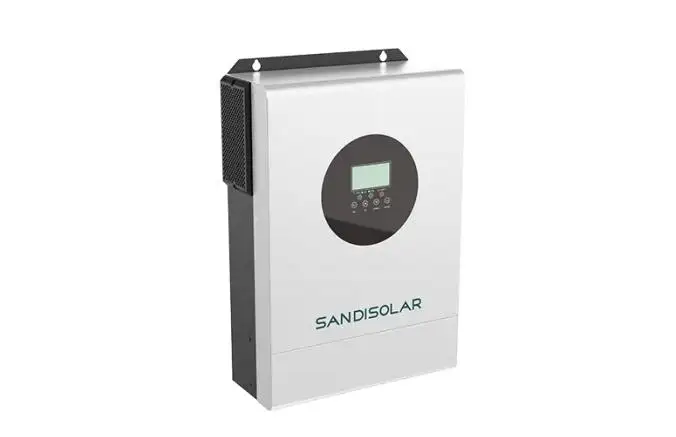
Przechowywanie: Turning Sunshine iSzkocja. 24/7 Zasilanie
Magazynowanie energii słonecznej to miejsce, gdzie energia stała się stałą energią. Hybrydowy Falownik Słoneczny decyduje, kiedy magazynować, a kiedy uwalniać energię. To nie jest zgadywanie; to polityka plus dane.
Praktyczne rozwiązania dla domów i małych obiektów komercyjnych:
• Szczycie golenia: Ładowanie podczas godzin pracy słonecznej lub taryf poza szczytem. Rozładowanie w oknach szczytowych cen. Wielu klientów widzi 20- 40% Redukcja szczytowego importu.
• Zasilanie zapasowe: Krytyczne obciążenia pozostają aktywne podczas przerw w dostawie. Dobrze wymiarowany 11 Falownik kW obsługuje duże urządzenia, IT, oraz sprzęt warsztatowy. Czas działania zależy od wielkości baterii; na przykład, a 10 Bateria kWh na 50% Głębokość wyładowania może działać 1 Krytyczne obciążenie kW przez około 5 godziny otwarcia.
• Samokonsumpcja: Używaj więcej tego, co wygenerujesz. Dla typowej instalacji dachowej, podnosząc samokonsumpcję z ~30% do 60- 80% ogranicza eksport i podnosi wartość każdego wyprodukowanego kWh.
Codzienne zmiany zachowań bez wysiłku użytkownika. Algorytmy wymuszają okna ładunkowe, Limity głębokości wypływu, oraz poziomy rezerwowe. Możesz ustawić zapasową rezerwę (na przykład 20- 30%) Żeby burze lub planowane przerwy w dostawie nie zaskoczyły cię pustym.
Interakcja siatki: Niezawodność bez szoku rachunkowego
Nie każda strona może, albo powinien, eksport do siatki. Nowoczesny hybrydowy falownik słoneczny musi być elastyczny w różnych polach i taryfach. SANDISOLAR obsługuje wiele trybów priorytetu produkcji, więc wybierasz kolejność energii odpowiadającą Twoim celom:
• SBU (Bateria słoneczna – użyteczność): Najpierw zmaksymalizuj energię słoneczną i magazynowanie. Użyj siatki jako ostateczności.
• SUB (Bateria solarna-użyteczna): Opowiadam się za stabilnym wsparciem sieci po energii słonecznej, Zachowaj baterię na zapas zapasowy.
• DROWSY (Panele słoneczne z Utility Fallback): Użyj energii słonecznej jako podstawowej z szybkim przejęciem energii dla wrażliwych obciążeń.
Kontrola współczynnika mocy przy PF = 1.0 zapewnia, że wyjście AC nie obciąża systemu mocą bierną. To poprawia efektywność i pozwala uniknąć kar na niektórych rynkach. Dla stron zero-eksportowych, Umożliwiamy operację zaopatrującą jedynie lokalne obciążenia i magazynowanie ładunków, jednocześnie zapobiegając cofaniu się poza licznik.
Niezawodność jest również fizyczna. Zaciski antywstrząsowe oraz odpinana osłona przeciwpyłowa umożliwiają bezpieczną instalację i długoterminową stabilność w trudnych warunkach. Wbudowane Wi-Fi plus RS485 zapewniają monitoring na żywo, Zdalna diagnostyka, oraz bezszwowe integrowanie BMS. Operatorzy flot mogą śledzić wydajność, Stan stanu, oraz alarmy w czasie rzeczywistym.

Oszczędności: Skąd pochodzi ekonomia
Oszczędności wynikają z kilku nałożonych efektów. Hybrydowy falownik słoneczny pozwala rejestrować każdy z nich w codziennej eksploatacji.
Wyższa wydajność z tego samego dachu
•Podwójny MPPT na podzielonych macierzach zmniejsza niedopasowanie. Zyski 5 - 15% są powszechne, gdy struny wschodnie/zachodnie są optymalizowane oddzielnie.
• Szerokie 60- 500 Wkład VDC nadal zbiera w nieoptymalnym świetle, dodając poranne i wieczorne kWh, które inaczej zostałyby zagadane.
Niższa energia kupiona w niewłaściwym czasie
• Arbitraż czasu użytkowania przesuwa import na okres poza szczytem, a własną energię słoneczną do szczytów. Gdy stawki szczytowe wynoszą 2- 3× poza szczytem, To decydujące.
• Szczytowe wycinanie zmniejsza skoki popytu. W małych obiektach komercyjnych, co może obniżyć opłaty za popyt, gdy jest to możliwe.
nDłuższa żywotność baterii
• Poprawne profile litu z danymi RS485 BMS ograniczają stres. Unikanie przepięcia i głębokiego wyładowania zazwyczaj wydłuża czas trwania cyklu.
• Swift 160 Prąd ładunku skraca czas spędzony na dużej głębokości wyładowania, czynnik związany z degradacją.
Niższy BOS i O&Koszt M
• Wyższe napięcie w strunie PV zmniejsza rozmiar i straty przewodnika.
• Cięcia w rozpoczęciu bez baterii, rejsy do uruchomienia.
• Zdalne oprogramowanie firmware'owe i diagnostyka zmniejszają liczbę wizyt na miejscu.
Na 10-letni horyzont, Te zyski się kumulują. Falownik nie tylko konwertuje moc; To ją zaplanowuje. To właśnie w tym harmonogramie są pieniądze.
Dlaczego warto wybrać SANDISOLAR?
Jako producent, Funkcje inżynierów SANDISOLAR, które mają znaczenie w terenie, następnie udowadnia je w różnych zastosowaniach: Odległe rancza, Domki na wyspie, Kampery i łodzie, oraz domy miejskie, które potrzebują odpornego wsparcia.
Co zyskujesz dzięki naszym 11 kW, 48 Hybrydowy falownik solarny klasy V:
Użyteczna elastyczność
• Szerokie 60- 500 Wejście PV Vdc i podwójny MPPT: Swoboda projektowania na dachach i mieszankach modułów.
• Wiele trybów priorytetu wyjścia (SBU/SUB/SUF): Dostosuj przepływ energii do swoich taryfów i celów dostępności.
Prawie, Bezpieczne przechowywanie
• Do 160 Ładowanie DC: mniej więcej 7.7 kW do 48 Baterie V dla szybkiego odzyskiwania między szczytami.
•Aktywacja litu przez fotowoltaikę lub elektroinstalację: Odzyskaj pakiety głębokiego snu bez konieczności wykonywania ręcznych kroków.
•Natywna integracja LiFePO4 przez RS485: inwerter stosuje wytyczne BMS dla bezpieczeństwa, Dłuższa eksploatacja.
Czyste, stabilny AC
• Wyjście czystej sinusoidy z PF = 1.0: wydajna energia dla wrażliwej elektroniki i brak obciążenia biernego dla sieci lub agregatu.
Stworzone z myślą o rzeczywistych stronach
• Zaciski antywstrząsowe i osłona przeciwpyłowa dla bezpieczeństwa, Instalacje czyścicielskie w warsztatach, Gospodarstwa, oraz powietrze przybrzeżne.
•Wbudowane Wi-Fi i RS485 dla widoczności aplikacji, Wsparcie zdalne, oraz zarządzanie flotą.
Wybór i rozmiarowanie
Zacznij od celów swojej strony: Czas wykonywania kopii zapasowej, Strategia taryfowa, oraz układ dachu. Zmapuj swoje krytyczne obciążenia i codzienne zużycie energii. Typowy duży dom lub mała firma z 10- 12 Z tej klasy inwerterów korzysta także obciążenia kW. Pojemność baterii ustala wtedy godziny zapasowe i głębokość arbitrażu; wiele domów adoptuje 10- 20 kWh, podczas gdy komercyjne strony mogą być jeszcze wyżej. Dual MPPT pomaga, gdy masz zarówno dachy wschodnie, jak i zachodnie lub zacienione struny.
Telefon tAkcja
Zaplanuj swój projekt hybrydowego falownika słonecznego z SANDISOLAR. Nasz zespół inżynierów zajmie się wymiarowaniem fotowoltaiki, Przechowywanie, oraz tryby pracy dostosowane do taryf i potrzeb dostępności, a my oszacujemy oszczędności, zanim zaczniesz budować. Skontaktuj się z nami, aby zamówić indywidualny projekt, Szacunkowa rentowność i oszczędności, lub badanie odległego terenu. Buduj odporność. Cięte szczyty. Uchwyć więcej własnej energii słonecznej- teraz.
Udostępnij w mediach społecznościowych: