
الخطة الخمسية الخامسة عشرة للصين: توسيع سوق بطاريات الليثيوم لأنظمة النسخ الاحتياطي
حسب المقر الرئيسي
2026.07.29منشورات ذات صلة
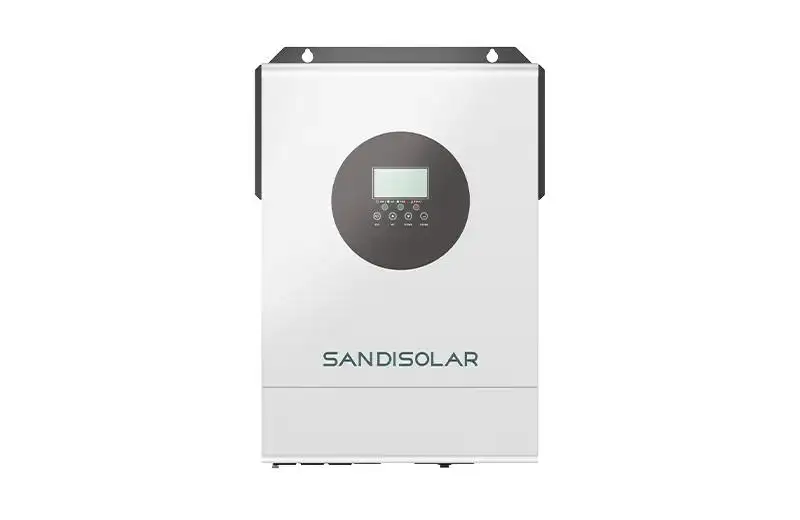
عاكس خارج الشبكة بجهد 48 فولت 6 كيلوواط: لماذا أنظمة بطاريات 48 فولت شائعة في أنظمة الطاقة الشمسية عالية الطاقة
31 أغسطس 2026
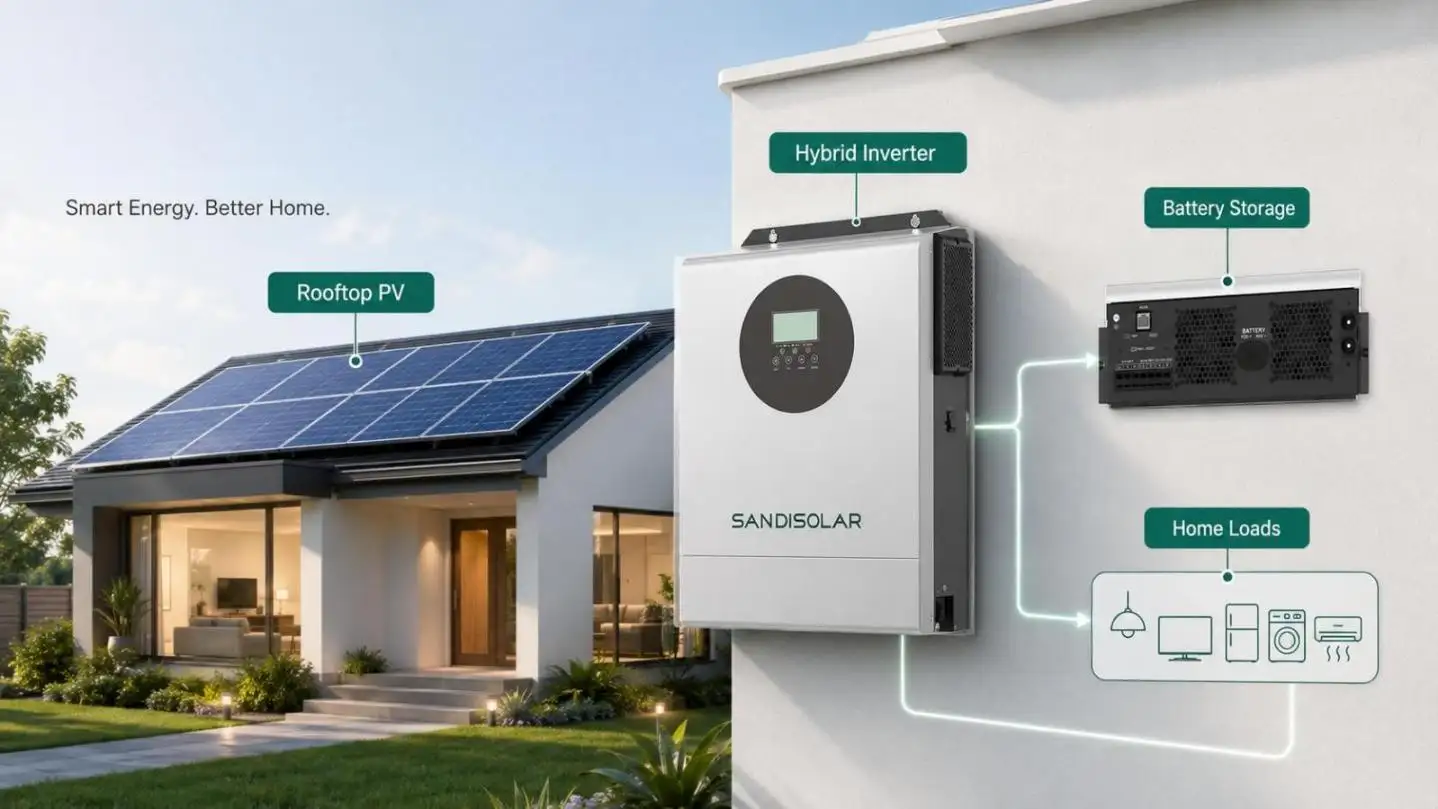
تركيب النظام الشمسي السكني: الحجم الفني، مطابقة النظام ودليل التركيب
31 أغسطس 2026
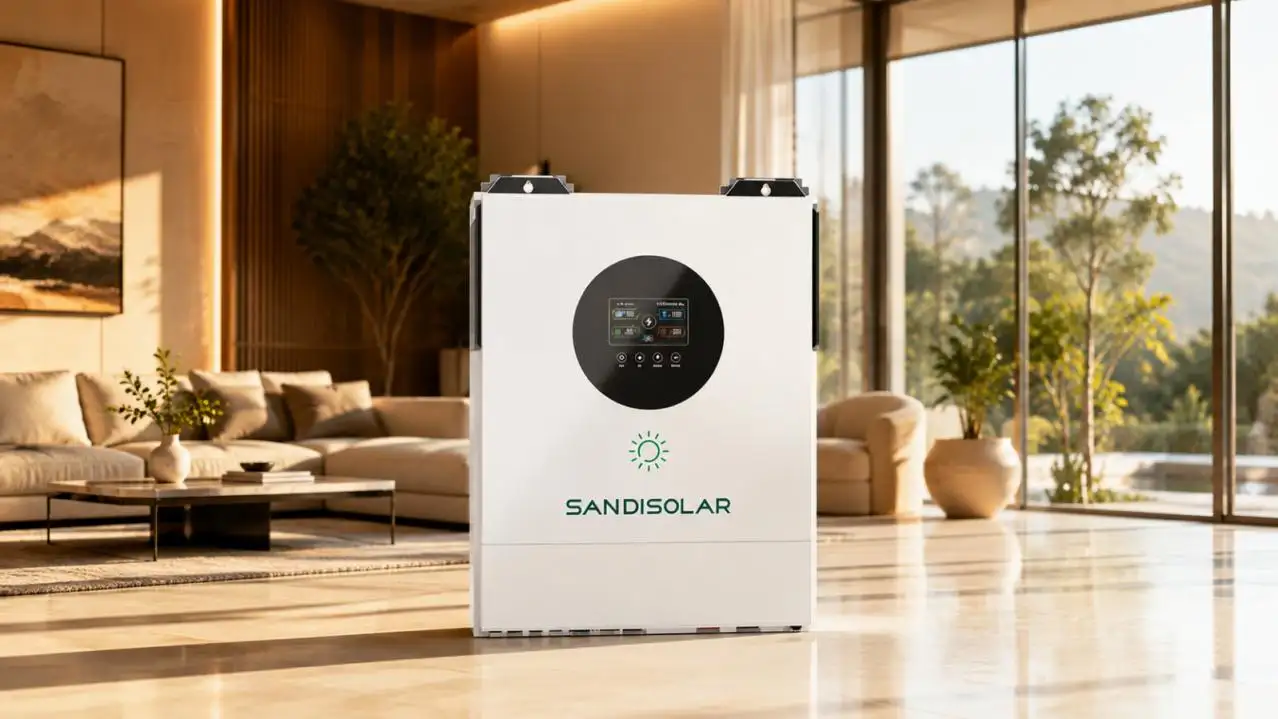
محول 48 فولت لتخزين البطاريات الشمسية: المواصفات الرئيسية التي يجب على المشترين المقارنة بينها
27 أغسطس 2026
تغطي فترة الخطة الخمسية الخامسة عشرة للصين الفترة من 2026 إلى 2030. تشكل الشبكات الأقوى إلى جانب مصادر الطاقة المتجددة (RES) والموارد المرنة أساس نظام طاقة حديث فعال وآمن. البنية التحتية المطورة ستدعم ذلك. تعتزم الصين تحقيق تقدم كبير في هذا الصدد نحو هدف نظام طاقة جديد بحلول عام 2030.
تركيز الصين يتجاوز مجرد إضافة سعة الطاقة المتجددة إلى مزيج الطاقة. تسمح التطورات التكنولوجية بحدوث تغييرات ليس فقط في توليد الكهرباء، بل أيضا في توزيع الكهرباء وموازنتها وحمايتها. مع لامركزية أنظمة الطاقة، أصبحت بطارية الليثيوم لأنظمة النسخ الاحتياطي قادرة على ربط توليد الطاقة المتجددة والأحمال الحيوية لتوفير القدرة المحلية على الصمود.
الحاجة إلى طاقة احتياطية مرنة في نظام الطاقة الجديد
التوليد المتجدد متقطع، بينما غالبية مستخدمي الكهرباء النهائيين (مثل المصانع، المكاتب، المستشفيات، إلخ) يحتاجون إلى طاقة مستقرة. أدى تقدم الصين في أنظمة الطاقة المتجددة إلى زيادة الطلب على الدعم المرن والشبكات الأقوى إلى جانب زيادة الطلب على مرونة الطاقة المحلية.
بعض القوى الدافعة للطلب على بطارية الليثيوم لأنظمة النسخ الاحتياطي قد تكون:
• زيادة اختراق الطاقة المتجددة: على الرغم من أن زيادة مصادر الطاقة المتجددة (RES) لا تزيل الحاجة إلى التوازن، إلا أن أنظمة البطاريات يمكن أن توفر الدعم المرن المطلوب.
• زيادة التوليد الموزع: تتطلب أنظمة الطاقة المحلية توليد وتخزين قريبين.
• زيادة الطلب على العرض: بعض الأنظمة تحتاج إلى إمداد طاقة أثناء حدوث اضطراب في الشبكة.
• أسواق الكهرباء الجديدة: قد تحفز هياكل السوق الجديدة تطوير أنظمة أكثر مرونة.
• زيادة الطلب على العرض: يمكن للأنظمة المحلية دعم الشبكة خلال الأحداث الجوية المتطرفة.
لماذا اختر LiFePO4 لأنظمة النسخ الاحتياطي
تصميم خلايا LiFePO4 للتخزين الثابت يتناسب جيدا مع التطبيقات التي تتطلب دعم العديد من دورات الشحن/التفريغ مع فترات طويلة من الانتظار. لا يزال الأداء يعتمد على جودة الخلية، والإدارة الحرارية، ونظام إدارة البطاريات (BMS) وتصميم وتركيب الأغطية.
• الاستقرار الحراري: من بين الكيمياء المختلفة للليثيوم أيون، يعتبر LiFePO4 الأكثر استقرارا حراريا.
• أداء الدورة: يمكن للشحن والتفريغ المتكرر دعم الاحتياط، والحلاقة القصوى، والاستهلاك الذاتي للطاقة الشمسية.
• الطاقة القابلة للاستخدام: يمكن للنظام المضبوط بشكل صحيح أن يوفر عمق تفريغ قابل للاستخدام مرتفع نسبيا مقارنة بالعديد من ترتيبات حمض الرصاص.
• حماية BMS: يمكن لنظام إدارة البطارية مراقبة الجهد، التيار، درجة الحرارة، حالة الشحن، والظروف غير الطبيعية.
• التكامل المعياري: يمكن لبطارية الليثيوم لأنظمة النسخ الاحتياطي أن تخدم أحمال اتصالات صغيرة، أو منازل، أو منشآت تجارية أكبر.
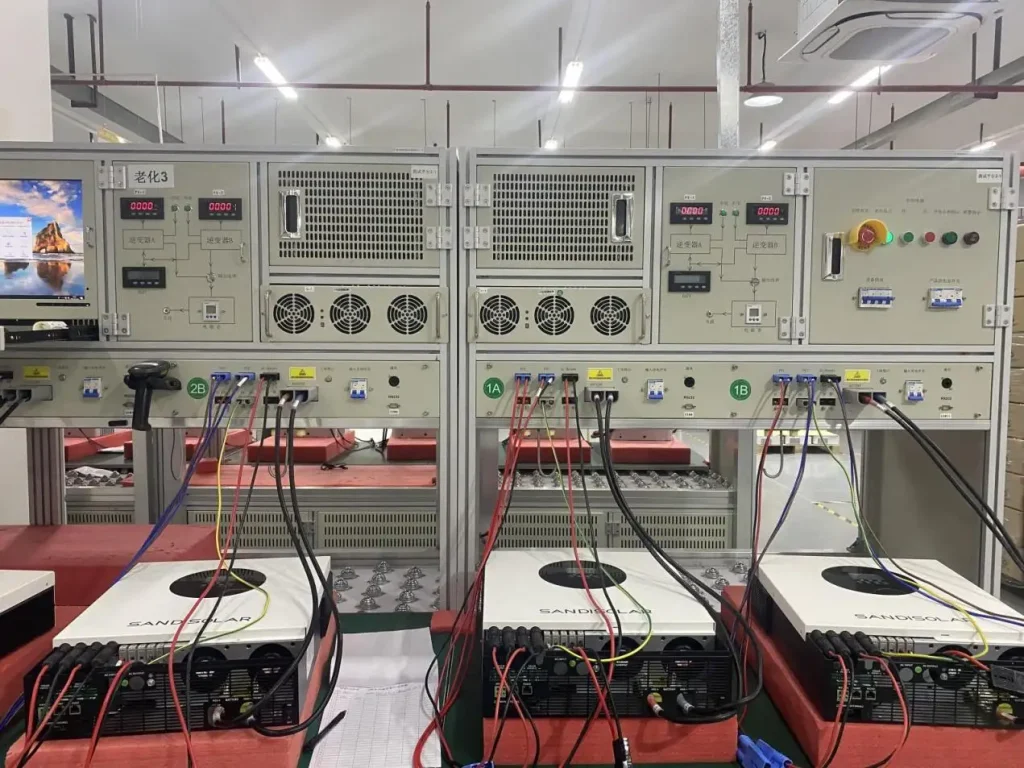
حيث قد يتطور الطلب الاحتياطي على LiFePO4
| تطبيق | التحدي الرئيسي | دور نسخة احتياطية من LiFePO4 |
| المنازل والفيلات | الانقطاعات والتغيرات الشمسية | يدعم الإضاءة، والتبريد، والاتصالات، والدوائر المختارة |
| المباني التجارية | استمرارية الأعمال والطلب الذروة | يحافظ على الخدمات الحيوية ويدعم إدارة الطاقة |
| المصانع | اضطرابات الجهد وتوقف الإنتاج | يدعم التحكم، والآلات الأساسية، والإيقاف الآمن |
| مواقع الاتصالات | التشغيل عن بعد والوصول غير المستقر إلى الشبكة | يوفر نسخة احتياطية مراقبة لمعدات الاتصالات |
| الشبكات الدقيقة | تنسيق التوليد والأحمال | توازن بين القوة المحلية ودعم العمليات في الجزر |
| المرافق العامة | استمرارية الخدمات الأساسية | يدعم الإضاءة الطارئة والمراقبة والاتصالات |
الطاقة الاحتياطية أصبحت قرارا على مستوى النظام
اختيار بطارية ليثيوم لأنظمة النسخ الاحتياطي لا يجب أن يعتمد فقط على السعة المقدرة.
• ملف الحمل الحرج: تحديد مدة الطاقة المستدامة لأجهزة محددة.
• مواصفات العاكس: ضمان تصنيفات جهد متشابهة، تيارات التفريغ، بروتوكولات الاتصال، ومواصفات التيار الكهربائي.
• مدة الاحتياط: عند النظر في كفاءة العاكس والأسلاك، إلى جانب درجة الحرارة المحيطة، تقدير الطاقة المتاحة بعد عمق التفريغ.
• موقع التركيب: تقييم التهوية، وسلامة الحرائق، والوصول للخدمات، وفئة الحماية للحوض فيما يتعلق بدرجة الحرارة المحيطة.
• استراتيجية التحكم: تحديد ما إذا كانت البطارية ستخصص للطاقة الاحتياطية أو إذا كانت ستستخدم أيضا لتمكين التنظيم الشمسي وتنظيم النسخ الاحتياطي للتحكم في التعرفة.
• تخطيط دورة الحياة: تقييم دورة التدوير المتوقعة، شروط الضمان، بوليصة الاستبدال، والتكلفة الإجمالية للملكية.
سانديسولار'فلسفة تصميم بطارية النسخ الاحتياطي في S
تطور SANDISOLAR تطبيقات سكنية وتجارية وشمسية ومتنقلة وخارج الشبكة لبطاريات LiFePO₄. تقوم الشركة بتقييم أداء البطارية داخل نظام الطاقة بأكمله، بدلا من التركيز على تصنيف الأمبير-ساعة.
مبادئ التصميم الأساسية:
• التوازن: يتم الحفاظ على الجهد بين خلايا البطاريات في نظام طاقة واحد.
• نظام إدارة البطاريات المتكامل (BMS): يتيح نظام إدارة البطارية المتكامل مراقبة والتحكم في جهد الجهد والتيار ودرجة الحرارة والحالة الخاصة بالنظام.
• حماية الدائرة: تتحكم وظائف الحماية في الشحن الزائد، والتفريغ الزائد، والتيار الزائد، والدوائر القصيرة، ودرجات الحرارة غير الطبيعية المفرطة.
• تصميم الغلاف العملي: تصميم بسيط لسهولة الوصول ووضع أطراف البطارية.
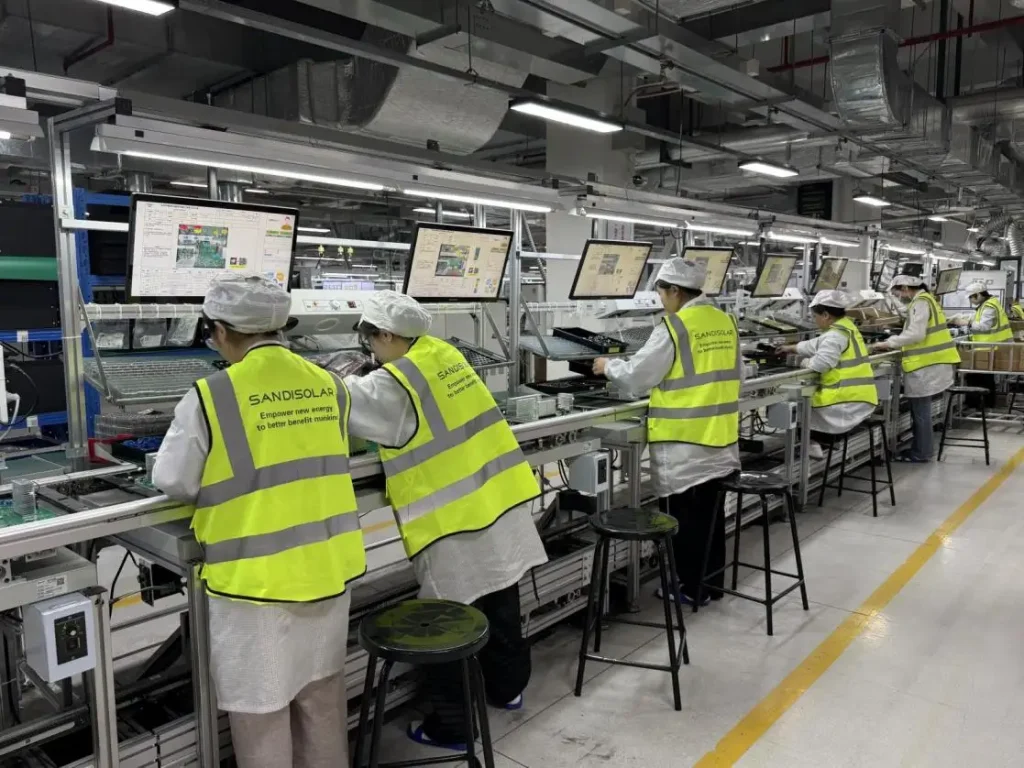
• اختبار الإنتاج: تهدف فحوصات مراقبة الجودة واختبار البطاريات في نهاية الخط إلى ضمان جودة عالية لكل بطارية منتجة.
الهدف من هذه المبادئ هو تسهيل التكوين والتنبؤ بالأداء ضمن نطاق التشغيل المصمم لبطارية الليثيوم لأنظمة النسخ الاحتياطي.
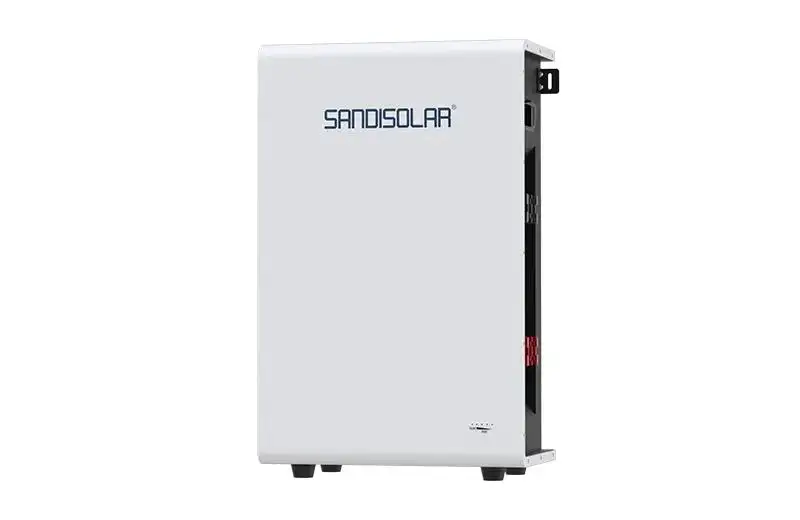
نظرة عامة على بطارية SD-25.6V300AH LiFePO₄
ال سانديسولار SD-25.6V300AHهو حل تخزين كبير لأولئك الذين يحتاجون إلى حل تخزين طاقة كبير لتطبيقات منفردة.
المعايير الفنية الرئيسية
| المعلمة | المواصفات |
| كيمياء البطاريات | LiFePO₄ |
| الجهد الاسمي | 25.6 فولت |
| السعة المصنفة | 300 أم |
| الطاقة المصنفة | 7.68 كيلوواط ساعة |
| جهد الشحن الموصى به | 28.8 فولت |
| تيار شحن/تفريغ قياسي | 60 أ |
| حماية BMS | شحنة زائدة، تفريغ زائد، تيار زائد، دائرة قصيرة، درجة حرارة |
| درجة حرارة التشغيل النموذجية | –20°C إلى 60°C |
يتميز SD-25.6V300AH بالعديد من مزايا تصميم النظام المفيدة كبطارية ليثيوم للأنظمة الاحتياطية:
• الطاقة المخزنة بشكل كبير: تمتلك الوحدة القدرة على تخزين 7.68 كيلوواط ساعة لتزويد بعض الأحمال في المبنى التجاري أو السكني أثناء الانقطاع.
• تصميم نظام أسهل: قد تؤدي وحدة مستقلة ذات سعة كبيرة إلى عدد أقل من وحدات البطاريات والكابلات ونقاط الاتصال.
• تقليل تيار التشغيل: يمكن أن تساعد معمارية 25.6 فولت في تقليل التيار والخسائر في الكابلات مقارنة بأنظمة البطاريات ذات الجهد الأقل.
• يمكن توسيع سعة النظام من خلال الوصلات المتوازية لوحدات البطارية الفردية المصممة لاستيعاب مثل هذه الاتصالات بناء على تصميم النظام وتكوين BMS.
يقوم نظام BMS المتكامل بمراقبة مستمرة لظروف تشغيل الوحدة.
لا توجد انبعاثات أو ضوضاء تشغيل مرتبطة بمولدات الوقود.
النظرة المستقبلية
من المرجح أن تؤدي الخطة الخمسية الخامسة عشرة إلى استخدام أكبر لتوليد الطاقة المتجددة، وتوزيع مصادر الطاقة، وأنظمة تخزين الطاقة. مع تزايد الطلب على هذه الأنظمة، من المرجح أن تكون هناك حاجة إلى بطاريات ليثيوم كبيرة ومعيارية لأنظمة النسخ الاحتياطي.
تعد SANDISOLAR SD-25.6V300AH مثالا على بطارية LiFePO₄ التي يمكنها تعظيم فوائد الطاقة المتجددة وتقليل الآثار المزعجة للانقطاعات والمساعدة في إدارة خدمات الطاقة المحلية. ترتبط فوائدها بسعة التخزين والحجم المناسب للنظام بأكمله، وجودة التصميم والتركيب، وتوافق العاكس، وظروف التشغيل.
الأسئلة الشائعة
س1. ما هي بطاريات الليثيوم لأنظمة النسخ الاحتياطي؟
تخزن هذه البطاريات الطاقة وتطلقها أثناء انقطاع الكهرباء.
س2. لماذا تستخدم LiFePO₄ لأنظمة النسخ الاحتياطي؟
LiFePO₄ هو الأكثر استقرارا، وله أطول دورة وأكثر استقرارا حراريا.
س3. هل ستسمح بطاريات الليثيوم للأنظمة الاحتياطية باستخدام الطاقة من الألواح الشمسية الخاصة بك؟
بالتأكيد. بطاريات الليثيوم ستسمح لك بتخزين الطاقة الشمسية الزائدة لليلة وحتى في حالات الطوارئ.
س4. كم من الوقت يمكن لوحدة مزود الطاقة الطارئة أن تعمل على بطارية ليثيوم احتياطية؟
يتم تحديد وقت التشغيل بعوامل عديدة منها: سعة البطارية، قوة الحمل، كفاءة العاكس، وعمق التفريغ.
س5. هل من الممكن إضافة المزيد من البطاريات إلى نظام بطارية احتياطي؟
العديد من أنظمة البطاريات مصممة لتوسيع البطارية المتوازي، بافتراض أن العاكس وBMS مصممان لتوسيع النظام.
شارك على وسائل التواصل الاجتماعي:


تواصل معنا
في هذا المقال
منشورات ذات صلة
عاكس خارج الشبكة بجهد 48 فولت 6 كيلوواط: لماذا أنظمة بطاريات 48 فولت شائعة في أنظمة الطاقة الشمسية عالية الطاقة
31 أغسطس 2026
تركيب النظام الشمسي السكني: الحجم الفني، مطابقة النظام ودليل التركيب
31 أغسطس 2026
محول 48 فولت لتخزين البطاريات الشمسية: المواصفات الرئيسية التي يجب على المشترين المقارنة بينها
27 أغسطس 2026