
كيفية استخدام بطارية ليثيوم بأمان للتخييم
حسب المقر الرئيسي
2026.07.29منشورات ذات صلة
عاكس خارج الشبكة بجهد 48 فولت 6 كيلوواط: لماذا أنظمة بطاريات 48 فولت شائعة في أنظمة الطاقة الشمسية عالية الطاقة
31 أغسطس 2026
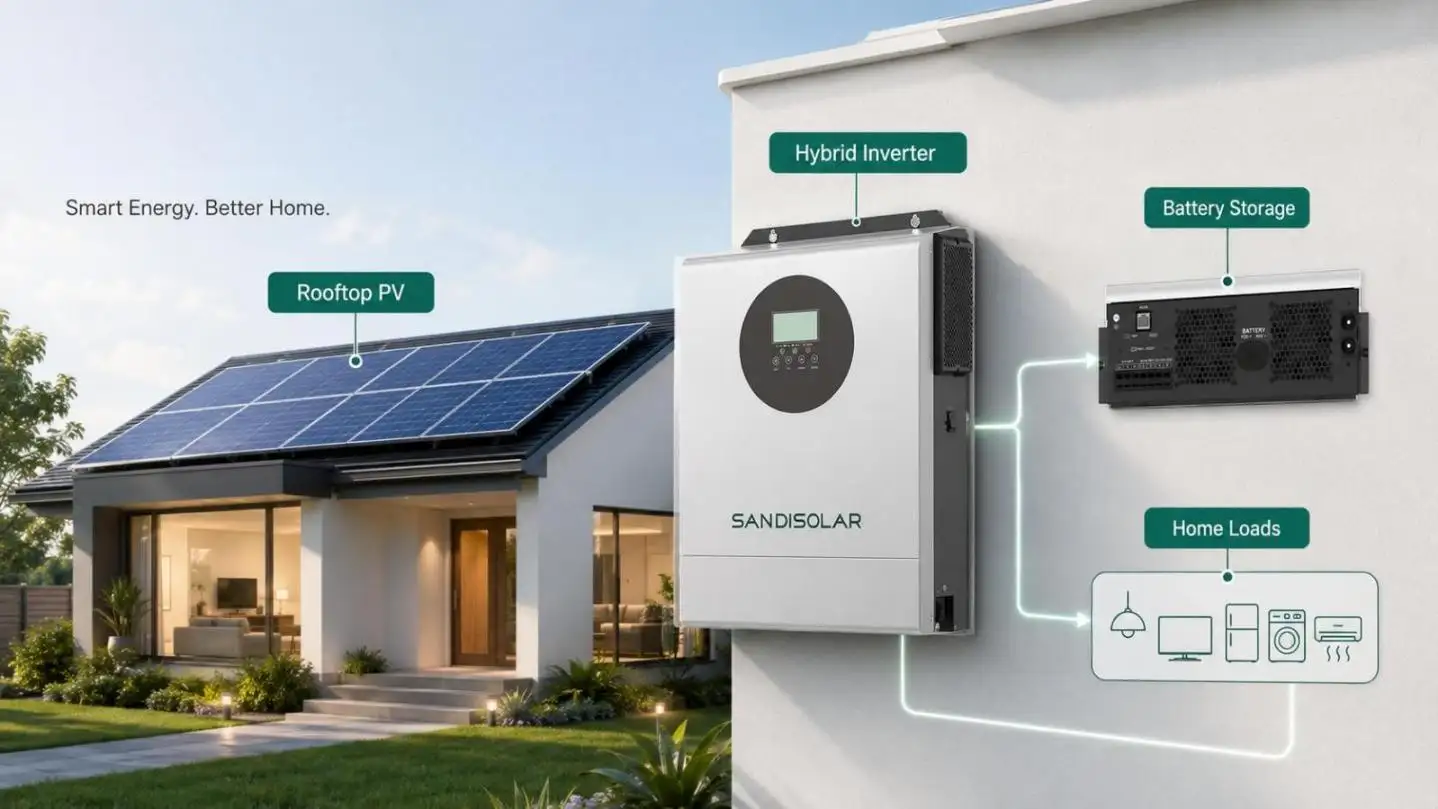
تركيب النظام الشمسي السكني: الحجم الفني، مطابقة النظام ودليل التركيب
31 أغسطس 2026
محول 48 فولت لتخزين البطاريات الشمسية: المواصفات الرئيسية التي يجب على المشترين المقارنة بينها
27 أغسطس 2026
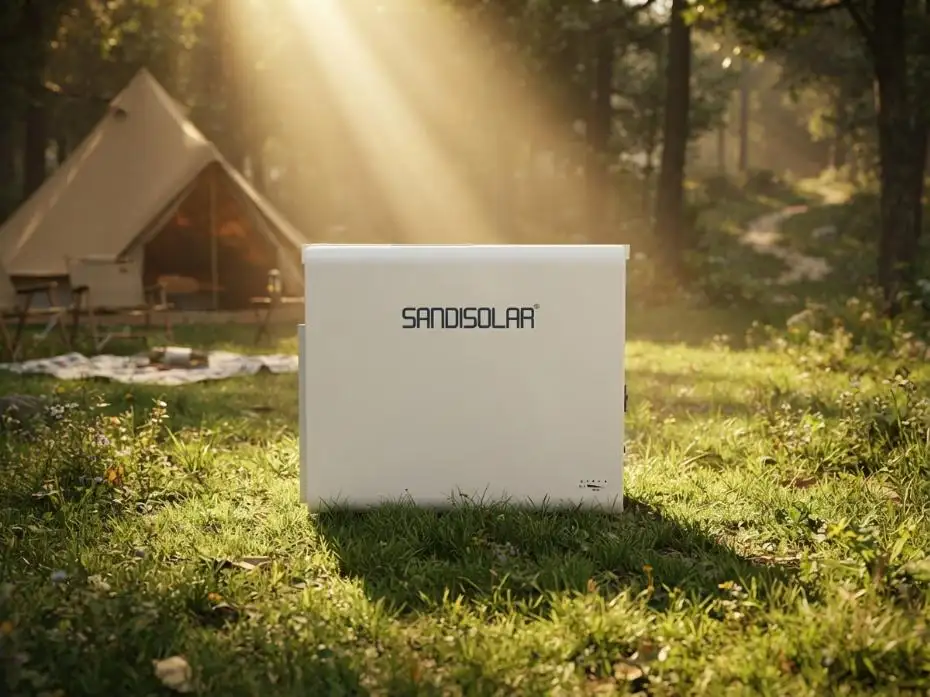
بطارية الليثيوم للتخييم قادرة على تشغيل أضواء المخيم، والتبريد المحمول، والمراوح، والكاميرات، والعديد من الأجهزة والأدوات المستخدمة في الهواء الطلق. السلامة عند استخدام بطارية الليثيوم للتخييم تعتمد على أكثر من سعتها. لاستخدام بطارية الليثيوم بأمان في التخييم، يجب أيضا أن تأخذ في الاعتبار توافق الجهد، والعملية والطريقة المستخدمة لشحن البطارية، وسماكة الأسلاك، ومكان تركيب البطارية، ودرجة الحرارة المحيطة، وبالطبع طلب الحمل.
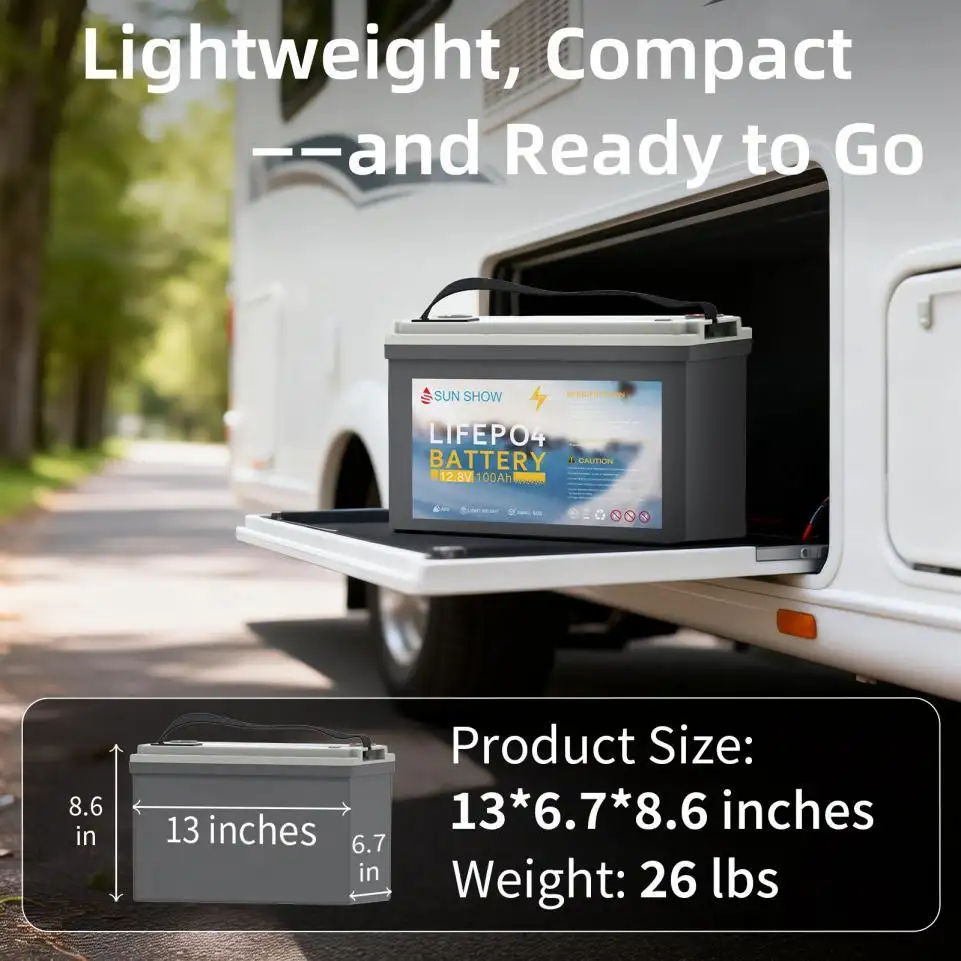
السلامة الحرارية في كيمياء LiFePO4 أقوى من العديد من كيمياء الليثيوم الأخرى، وأداء الدورة أكثر استقرارا. لذلك، فإن LiFePO4 أكثر ملاءمة للاستخدام في أنظمة التخييم. ومع ذلك، يجب دائما استخدام بطاريات الليثيوم لأنظمة التخييم ضمن حدود جهدها والتيار ودرجة الحرارة.
مزايا LiFePO4 لأنظمة التخييم
• كيمياء البطاريات: ميل الهروب الحراري في كيمياء LiFePO4 أقل بكثير مقارنة بالعديد من كيمياء الليثيوم الأخرى.
• دورات البطارية: بعض بطاريات SANDISOLAR مصنفة لأكثر من 6000 دورة في الظروف المحددة.
• BMS: يوفر نظام إدارة البطارية المدمج حماية من الشحن الزائد، والتفريغ الزائد، والتيار الزائد، ويوفر حماية من قصر الدوائر الكهربائية.
• تغيير الحمل: تستطيع البطارية التكيف بسرعة مع ظروف الشحن الجديدة والأحمال.
• التصميم القابل للتوسعة: البطارية ذات تصميم قابل للتكديس.
بينما تساعد هذه الميزات في تصميم نظام أكثر أمانا، إلا أنها لا تساعد إذا تم تصميم النظام بشكل غير صحيح.
اختر الجهد والسعة المناسبين
بشكل عام، تستخدم بطاريات 12.8 فولت لأنظمة التخييم الصغيرة، بينما تستخدم المقطورات الأكبر، والكبائن المتنقلة، وأنظمة خارج الشبكة أنظمة 25.6 فولت أو 51.2 فولت.
| الحاجة إلى الطاقة | مثال على حجم أو أحجام البطاريات | أمثلة على الاستخدامات |
| الاحتياجات اليومية الخفيفة | 12.8 فولت 100 أمبير | الضوء، الهاتف، الكاميرا، والمروحة |
| الاحتياجات اليومية المعتدلة | 12.8 فولت 200 أمبير | التبريد، الإضاءة، والإلكترونيات |
| مدة تشغيل أطول | 12.8 فولت 300 أمبير ساعة | أجهزة متعددة وفترات بقاء أطول |
| نظام العاكس الأكبر | حوالي 25.6 فولت 200-300 أمبير ساعة | المقصورة المتنقلة أو المقطورة |
| نظام ثابت خارج الشبكة | حوالي 51.2 فولت 100-320 أمبير أمبير | أنظمة متكاملة بشكل احترافي |
توفر SANDISOLAR بطاريات LiFePO4 بجهد 12.8 فولت و25.6 فولت و51.2 فولت بترددات تتراوح بين 100 أمبير و320 أمبير. للاستخدام الشائع في التخييم، فإن بطاريات 12.8 فولت أسهل في المطابقة مع الأجهزة والمحولات التي تعمل بالتيار المستمر.
تركيب البطارية في مكان آمن
يجب تركيب بطارية الليثيوم في مكان جاف ومستقر على سيارتك.
• تثبيت ثابت: ضع في اعتبارك تأثيرات السفر على المركبة وتأكد من أن البطارية لن تنزلق أو تنقلب أو تتأثر.
• الحماية من المياه: يجب حماية البطارية وأطرافها من المطر والمياه الراكدة أو البطيئة، بالإضافة إلى التكثف.
• فصل الحرارة: لا ينبغي تركيب البطارية بجوار أنظمة العادم أو السخانات أو معدات الطهي.
• دوران الهواء: الحرارة قد تسبب فشل البطاريات، لكن ذلك أقل احتمالا عندما تكون البطاريات متباعدة.
• حماية الأطراف: يمكن للمواد المعزولة أن تساعد في حماية أطراف البطاريات من الاتصال بالأدوات أو العناصر الأخرى.
لا تضع الأشياء التي تنقل الكهرباء بالقرب من أطراف البطاريات المفتوحة. يشمل ذلك الأمتعة، أعمدة الخيام، أدوات الطهي، وغيرها.
استخدم معدات شحن متوافقة
عند شحن بعض البطاريات، مثل حمض الرصاص، فإن غالبية الشواحن ستأخذ بطاريات الرصاص الحمضية عبر سلسلة من المراحل التي قد تكون غير مناسبة. لذلك، هناك حاجة إلى معدات شحن متوافقة مع كيمياء البطارية المحددة.
• ملف الشحن: يمكن تشغيل فقط المعدات القادرة على شحن الليثيوم أو LiFePO4.
• إعداد الجهد: يجب ضبط جهد الشحن ضمن حدود البطارية.
• حد التيار: يجب ضبط تيار الشحن ضمن الحدود.
• فحص درجة الحرارة: لا تشحن البطارية أبدا تحت الحد الأدنى لدرجة حرارة الشحن المحددة إلا إذا كانت البطارية لديها حماية من شحن البطارية بدرجة حرارة منخفضة.
• مطابقة الطاقة الشمسية: يجب أن تكون وحدة التحكم الشمسية متوافقة مع الألواح الشمسية والبطارية.
تتضمن بطاريات SANDISOLAR طبقة حماية من نظام BMS. يجب ألا يحل محل معدات الشحن المجهزة بشكل صحيح.
التحكم في أحمال العاكس والأجهزة
قد تواجه البطاريات منخفضة الجهد صعوبة في تشغيل الغلايات، المواقد الحثية، مجففات الشعر، وحدات التكييف، المضخات، والضواغط.
• الطلب الثابت: يجمع قوة الواط للأجهزة التي يمكن استخدامها في نفس الوقت.
• الطلب المتزايد: يرجى الرجوع إلى المواصفات الابتدائية للثلاجات والمضخات وغيرها من المعدات المشابهة.
• مواصفات العاكس: استخدم عاكس متوافق مع الأجهزة ومواصفات تفريغ حزمة البطاريات.
• الحمل الوهمي: قم بإيقاف تشغيل أي أجهزة تكييف أو العاكس عندما لا تكون قيد الاستخدام.
• حالة الشحن: لا تدع البطارية تصل كثيرا إلى الحد الأدنى لحد التفريغ.
العاكس الأكبر لا يزيد من الطاقة القابلة للاستخدام إذا لم تستطع البطارية والفيوز والأسلاك دعم الطلب الأعلى.
استخدم الأسلاك وعناصر السلامة المناسبة
الفيوزات: استخدم صمامات مصنفة بشكل صحيح عند الطرف الموجب للبطارية.
• مفتاح العزل: توفير مفتاح لإزالة إمداد البطارية بناء على طلب موظفي الصيانة.
• الأسلاك: استخدم سلكا بحجم يتناسب مع التيار، وطول التشغيل الكلي، وأقصى انخفاض جهد مسموح به.
• الطرفيات: يجب إجراء وصلات إلى اللوج ويتم إحكامها.
• فحص القطبية: يجب توصيل الأسلاك الموجبة والسالبة بشكل صحيح قبل تنشيط النظام.
الأسلاك غير المناسبة الحجم، والأسلاك المخفية، والأسلاك غير المتصلة بشكل صحيح كلها يمكن أن تؤدي إلى ارتفاع درجة الحرارة.
الفحص المتكرر للبطارية
• الفحص المسبق: افحص علبة البطارية وجميع التوصيلات.
• بعد الفحص: تحقق من أي من الأمور التالية: درجة حرارة حالة غير طبيعية أو مرتفعة، حالة انتفاخ غير طبيعية، حالة غير طبيعية أو غير معتادة من رائحة التهوية، توقف متعدد لنظام BMS.
• الفحوصات الفاصلة: تحقق من جميع الوصلات وأجهزة التثبيت.
• التخزين: حالة شحن البطارية ودرجة الحرارة ضمن الحدود المقبولة.
• بعد التخزين الطويل: افحص وأعد شحن البطارية وفقا لدليل المنتج.
توقف عن استخدام البطارية إذا كانت العلبة تالفة أو منتفخة أو تسربت أو ساخنة بشكل غير معتاد أو تدخل في وضع الحماية بشكل متكرر.
سانديسولار'نهج بطارية التخييم
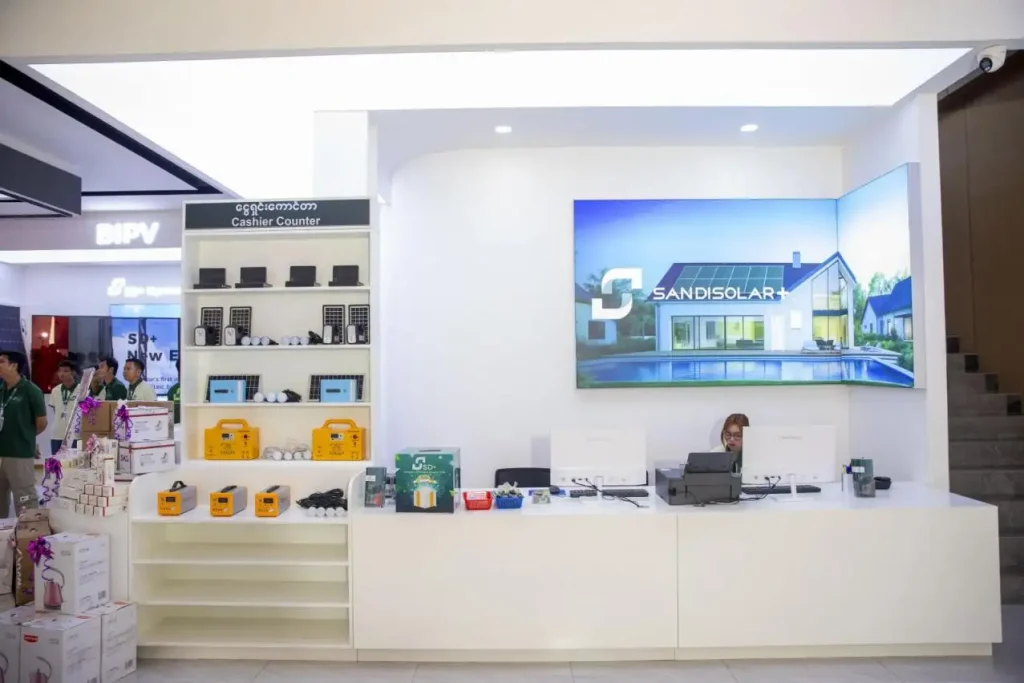
تعتبر سانديسولار بطارية الليثيوم للتخييم جزءا من نظام طاقة متكامل. يجب تقييم كيمياء البطارية، وحماية BMS، والطلب على العاكس، والشحن الشمسي، والأسلاك، والاندماج، والظروف البيئية معا.
تم تصنيع بطاريات SANDISOLAR LiFePO4 لتدوير الأنظمة الثقيلة، والتمديد المعياري، والدمج مع أنظمة الطاقة الشمسية والنسخ الاحتياطي. قد تشمل المستندات الداعمة شهادات CE وRoHS وUL وISO 9001، حسب النموذج والسوق. بالنسبة للمنتج المحدد، يجب تأكيد الشهادة ذات الصلة ونطاق الاختبار.
يمكن تصميم وبناء بطارية ليثيوم للتخييم لتلبية متطلبات الطاقة الخارجية. بالإضافة إلى ذلك، يمكن لهذا التصميم تلبية متطلبات السلامة، وعمر الخدمة، وموثوقية النظام.
الأسئلة الشائعة
س1: ما هي الطريقة الصحيحة لتخزين بطاريات LiFePO4؟
من الأفضل تخزين بطاريات LiFePO4 في بيئة باردة وجافة ضمن مستويات شحن مثالية.
س2: ما هو أفضل حجم بطارية للتخييم؟
هذا يعتمد على الأجهزة التي ستحضرها، ومدة تشغيل الأجهزة، وما إذا كان لديك إمكانية الوصول إلى محطة شحن.
س3: هل من الممكن شحن هذه البطارية باستخدام الألواح الشمسية؟
نعم، هذا ممكن طالما لديك وحدة تحكم شحن شمسية متوافقة مع LiFePO4.
س4: هل من الممكن شحن هذه البطارية باستخدام شاحن بطارية حمضي من الرصاص؟
عادة، لا. عادة ما ينصح باستخدام شاحن بطارية LiFePO4.
س5: ما هو أفضل مكان لتركيب هذه البطارية؟
يجب تركيبه في منطقة آمنة وجافة وجيدة التهوية محمية من الحرارة.
شارك على وسائل التواصل الاجتماعي:


تواصل معنا
في هذا المقال
منشورات ذات صلة
عاكس خارج الشبكة بجهد 48 فولت 6 كيلوواط: لماذا أنظمة بطاريات 48 فولت شائعة في أنظمة الطاقة الشمسية عالية الطاقة
31 أغسطس 2026
تركيب النظام الشمسي السكني: الحجم الفني، مطابقة النظام ودليل التركيب
31 أغسطس 2026
محول 48 فولت لتخزين البطاريات الشمسية: المواصفات الرئيسية التي يجب على المشترين المقارنة بينها
27 أغسطس 2026